
Even before bitcoin was invented, the British economist John Maynard Keynes developed a technique of calculation the annual interest rate of the crypto currency. According to experts, now it is about 57%. Born June 5, 1883 in English Cambridge, Keynes witnessed a tumultuous period in British history. After passing through the Boer War, both world wars and the world economic depression, he passed away on April 21, 1946. During his life he became famous as one of the world's leading economists. His most famous work is The General Theory of Employment, Interest and Money, which was published in 1936 and became a model for future economic thought.
The Commission of Experts of the Bureau of Customs and Border Control of the United States (CBP) is studying the applicability of the blockchain and how it can be used within the agency's work. According to the published report, the working group was established by the Advisory Committee of Commercial Customs Operations (COAC) in September. Originally it was established by the COAC and the Bureau of Customs and Border Control to identify issues related to new technologies or the promotion of existing technologies that will affect trade.

The US Securities and Exchange Commission (SEC) issued a statement that calls public support for various ICO celebrities of all kinds "potentially illegal" and warns that "stars" who thus advertise tokens may be held responsible for violating federal securities laws. In a joint statement issued by the SEC's special unit dealing with violations in the ICO and the SEC Office for Supervision and Verification, it is written that public support for celebrity ICO potentially violates the rules for securities regulation, since they do not properly disclose the source and amount of compensation paid for an advertising campaign.
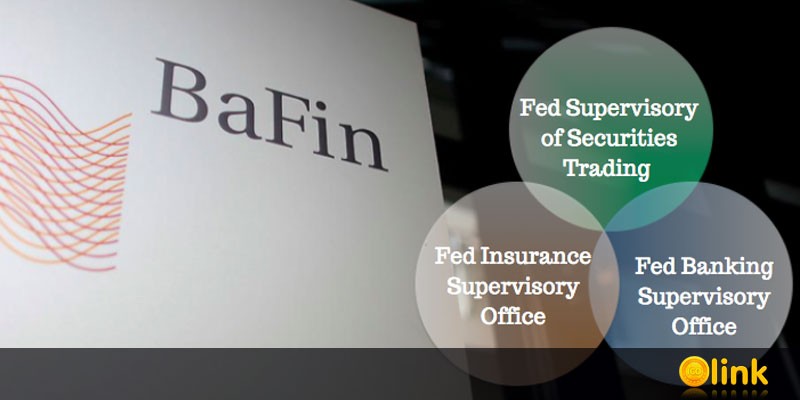
The largest economy of the European Union finally reacted to the booming ICO in the world. The Federal Office of Financial Supervision of Germany (BaFin) warned investors about the risks associated with participation in the ICO, as this is a "very speculative form of investment." The financial regulator in its statement urged investors to be cautious about the risks and be prepared for a complete loss of money, as a high level of public interest in ICO attracts scammers.
The creators of Bitconnect consider it "decentralized P2P-Crypto-currency based on an open source code that allows people to store and invest their money in a government-unchecked currency and even earn a significant return on investment." Critics of Bitconnect consider it a financial pyramid, which rewards the first customers and leaves the rest with nothing. While cynics can assert the same thing about many crypto-currencies, there is evidence that Bitconnect and the truth may be unclean.
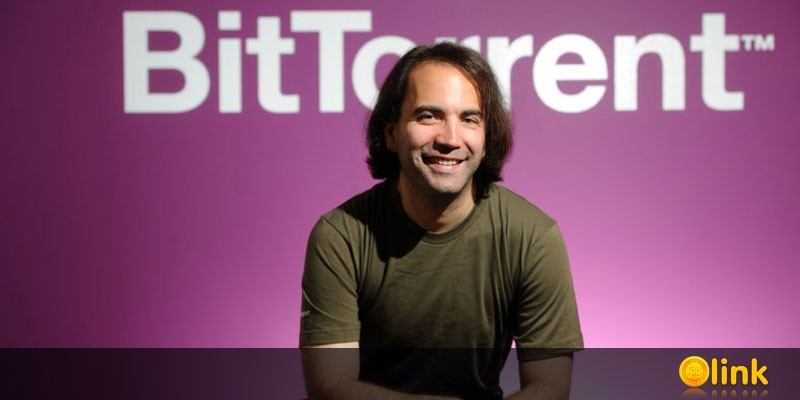
Bram Cohen, the creator of the famous BitTorrent file sharing protocol, announced that he was one step closer to "solving the problem of centralizing Bitcoin." In an interview with TechCrunch magazine, Cohen said that Chia's network, its long-standing project, positioning itself as an alternative to Bitcoin, could be launched by the end of 2018. The "very hot" round of initial investment allowed the project to get out of the underground and hire a capable developer, which is necessary for Chia's currency to offer itself to investors.
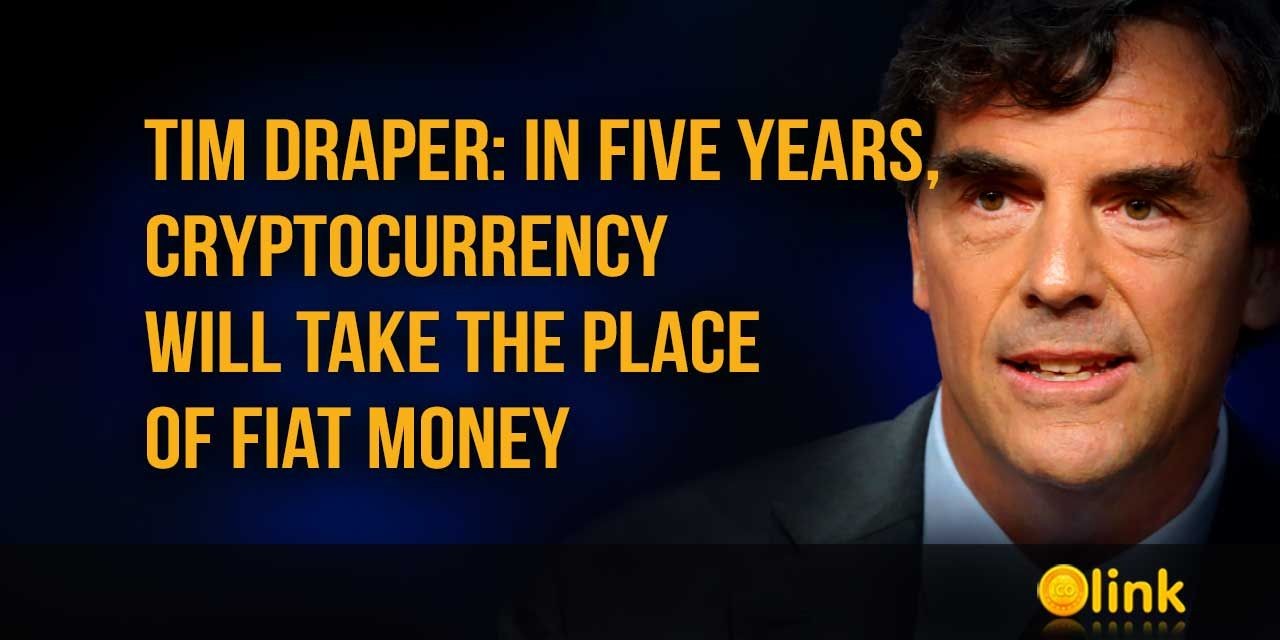
In five years, the use of state currencies will come to naught, since they will be replaced by cryptocurrencies.
As a result of the accidental use of a previously unknown vulnerability in the source code of the Parity Ethereum Wallet this Monday were "frozen", and actually lost funds in the accounts of many customers and projects. Save them, can only hardfork, similar to the project of TheDAO tokens rescue in July 2016. In the company Parity Technologies responded to outrage of the public and the experience of customers only on Wednesday - 2 days after the blocking of funds in the blog officially confirmed the existence of a critical security threat: "Unfortunately, the code found a new vulnerability, which made it possible to transform the Parity Wallet contract into an ordinary multi-signature wallet, and to change its owner using the initWallet function call. This vulnerable code appeared in the software after its update as a result of the July 19 events. "

The popularity of the crypto-currency markets is growing rapidly, and this is not surprising, since the price of bitcoin has risen by 60% in just one last month. However, along with the passing of the mark of 7000 dollars for BTC, the congestion of the blocks again increased, as well as the commission of the miners. This was the reason for users' displeasure with unconfirmed transactions and the need to pay 5-10 dollars per transaction. The actual cancellation of the SegWit2X's hardfork not only does not solve the crisis of scaling, but rather aggravates it, since other solutions still do not work, and even activated more than two months ago SegWit has not been put into operation to the full.